Blog

  • Progress Meeting at TU Delft: From design to roadmap

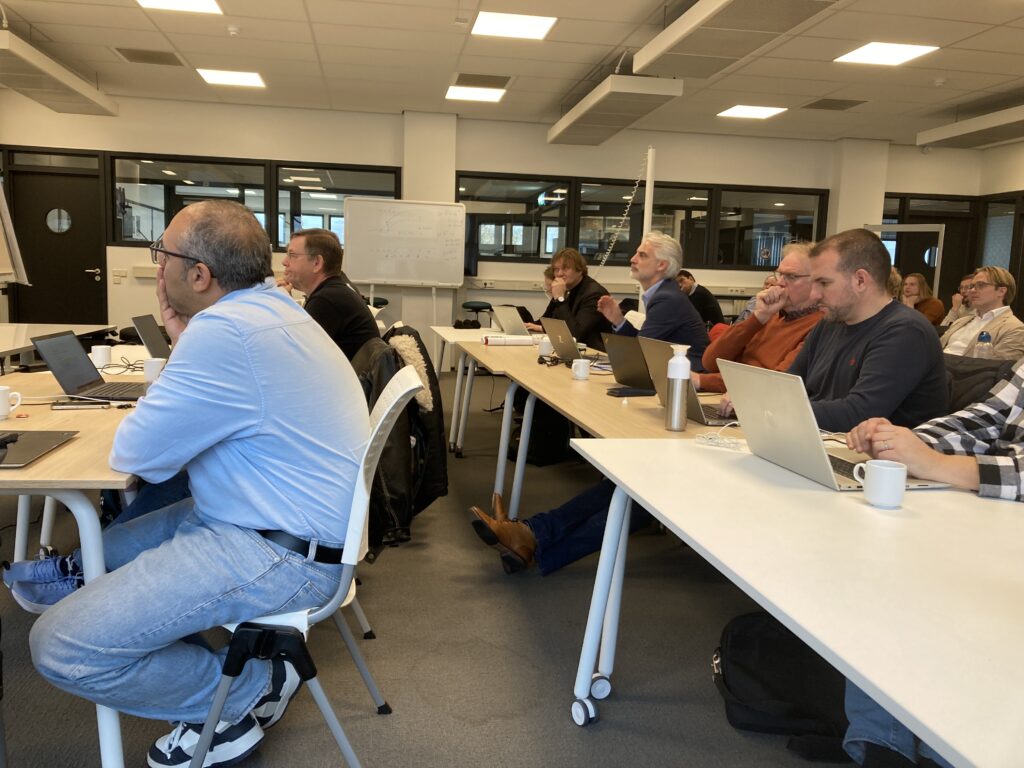
    On April 1–2, 2025, the OBSeRVeD consortium convened at TU Delft for a highly engaging two-day progress meeting. With strong representation from partners across the consortium, the event served as a valuable platform for sharing results, discussing challenges, and shaping the way forward.


    Day 1 – Updates, Insights, and Sensor Parameters

    The meeting opened with a welcome by Sten Vollebregt (TU Delft), who introduced TU Delft’s role and broader contributions to technological innovation. This was followed by an OBSeRVeD project update, including highlights from recent publications and reflections from the Advisory Committee.

    Each work package leader delivered concise pitches on current progress and hurdles. These sessions provided a clear snapshot of where each team stands and helped foster shared insight into project-wide priorities.

    During the plenary session, partners discussed critical obstacles such as data standardization, cross-WP collaboration, and resource alignment. While significant progress has been made, the discussion underlined the need for stronger coordination between work packages to accelerate impact.

    The poster session that followed showcased the work of PhD and PD researchers through short pitch presentations, generating fruitful conversations and connections.

    Later, Murat Kabatas and Sten Vollebregt facilitated an interactive session on Sensor Measuring Parameters, exploring key performance criteria such as detection accuracy, robustness, and usability under practical farm conditions.

    The day concluded with a lab tour at TU Delft’s sensor facilities and a relaxed dinner at Mooie Boules, fostering informal exchange among consortium members.


    Day 2 – User Perspective, Roadmap Development, and Coordination

    The second day began with a session titled “Developing an E-Nose – From Concept to Application”, led by Henk Hogeveen. This session focused on practical sensor use cases in poultry farming, particularly gut health and red mite detection. Participants explored design considerations from the viewpoint of different end users, emphasizing user-centric innovation.

    In Poster Session Part 2, more researchers presented their findings, again demonstrating the active engagement and openness characteristic of the OBSeRVeD community.

    The day’s central session was Collaborative Roadmap Development, facilitated by Cas Damen and Javier Ferreira González. The group worked on:

    • Mapping interdependencies across the project
    • Clarifying roles and assigning responsibilities
    • Developing an actionable project timeline
    • Aligning visions and expectations

    Discussions revealed the need for a shared demonstrator platform, standardized measurement protocols, and improved tracking of contributions. Budget constraints and clustering of tasks were also addressed. The session concluded with a clear commitment: move from discussion to action by appointing task leads and tightening internal coordination.


    Looking Ahead

    As the event wrapped up with a second lab tour and informal drinks, the energy was clear: OBSeRVeD is moving full speed ahead.

    Thanks to everyone who contributed to this successful and inspiring meeting. With new structures emerging and a shared roadmap underway, the OBSeRVeD project is steadily transitioning from design to implementation.

    Stay tuned for next steps and continued progress.

  • The NWA-ORC OBSeRVeD project in the spotlightOBSeRVeD Project in the Media Spotlight with EditieNL Reportage

    We are proud to share that today a film crew from EditieNL (RTL) is visiting the University of Twente to shoot a reportage highlighting the OBSeRVeD project.

    The focus of the item is on the development of polymer brush coatings for electronic noses, an innovative advancement that recently received attention through a publication in ACS Applied Polymer Materials.
    👉 Read the publication

    This exciting development was also featured by the University of Twente in their own science spotlight:
    👉 UTwente article

    Media attention is growing. The regional newspaper Tubantia covered the story this morning, confirming the broader interest in our research and its real-world applications.

    This visibility is a great recognition of the work being done within OBSeRVeD and reflects positively on the entire consortium.

    You can watch the segment here:

  • Successful Biannual Consortium Meeting: Inspiring Discussions and Interactive Sessions

    On Tuesday, November 5, and Wednesday, November 6, the biannual consortium meeting took place, hosted by the University of Twente (Day 1) and Saxion (Day 2). The event brought together more than 30 partners and offered an inspiring mix of presentations, interactive sessions, and guided tours.

    The first day focused on the Societal Impact cluster. PhD and postdoctoral students shared their findings, sparking lively and constructive discussions that highlighted the strong engagement of the partners. In the afternoon, two interactive workshops were held. The first, led by Henk Hogeveen, explored sensor design, while the second, led by Joris Meurs, delved into VOC test mixtures. Both sessions provided valuable insights and fostered collaboration among participants.

    Following the presentations and workshops, attendees were given a lab tour at the University of Twente. The group was divided into two smaller groups to visit the cleanroom facilities and PLD labs, offering an impressive glimpse into the advanced technological capabilities. The day concluded with a visit to De Museumfabriek, where participants learned more about the industrial history of the Twente region, followed by an informal dinner.

    The second day was dedicated to the technical work packages. Once again, PhD and postdoctoral students presented their progress, leading to engaging and productive discussions. During lunch, a poster session was organized, allowing students to showcase their work in greater detail. This session was very well received by the attendees.

    In the afternoon, participants visited Saxion’s lab. Although the facility is still under renovation, the visit provided a clear impression of the lab’s capabilities and the types of research conducted there. The day ended with an informal gathering, giving attendees an opportunity to socialize and reflect on the event. Overall, we look back on two successful days filled with knowledge exchange and collaboration. The next consortium meeting is scheduled for April 2025 and will be hosted by TU Delft. We look forward to it!

  • The OBSeRVeD team

    We added our PD and PhD student team.

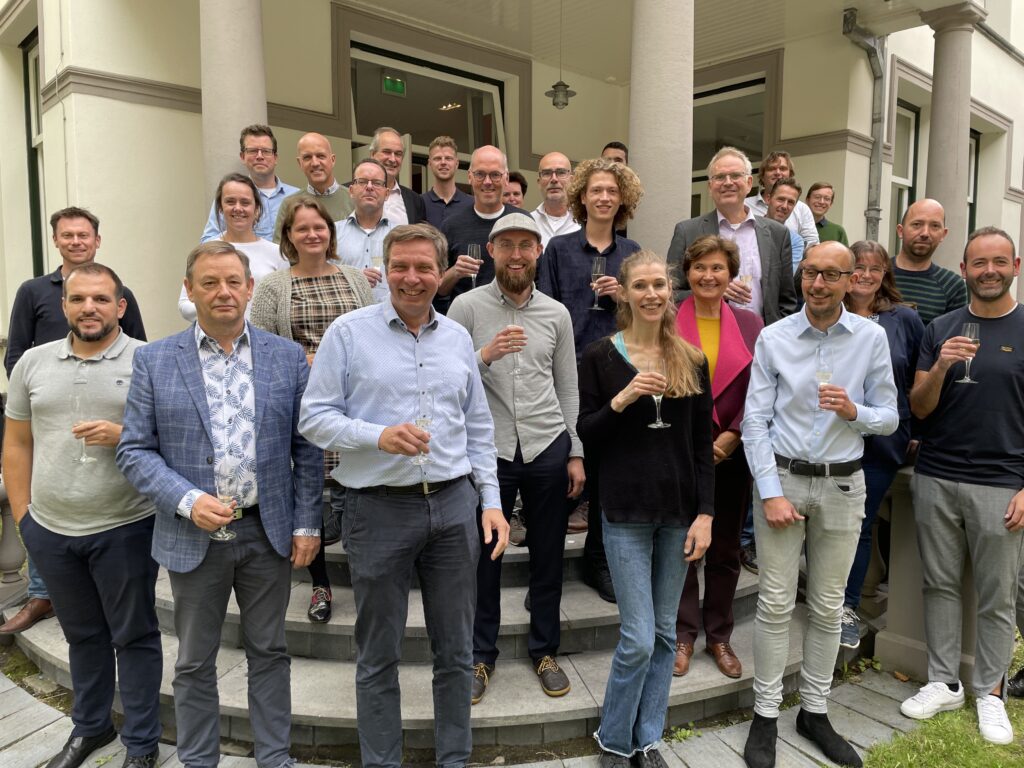
    The OBSeRVeD team during the kick-off
    The OBSeRVeD team during the kick-off
  • Next progress meeting

    Next consortium meeting is on Tuesday 5 and Wednesday 6 November 2024. This will take place at the University of Twente (5th of November) and Saxion (6th of November) in Enschede.

    This meeting will provide another opportunity to come together, discuss our progress and coordinate our joint efforts.

    More information about the program for both days will follow as soon as possible.

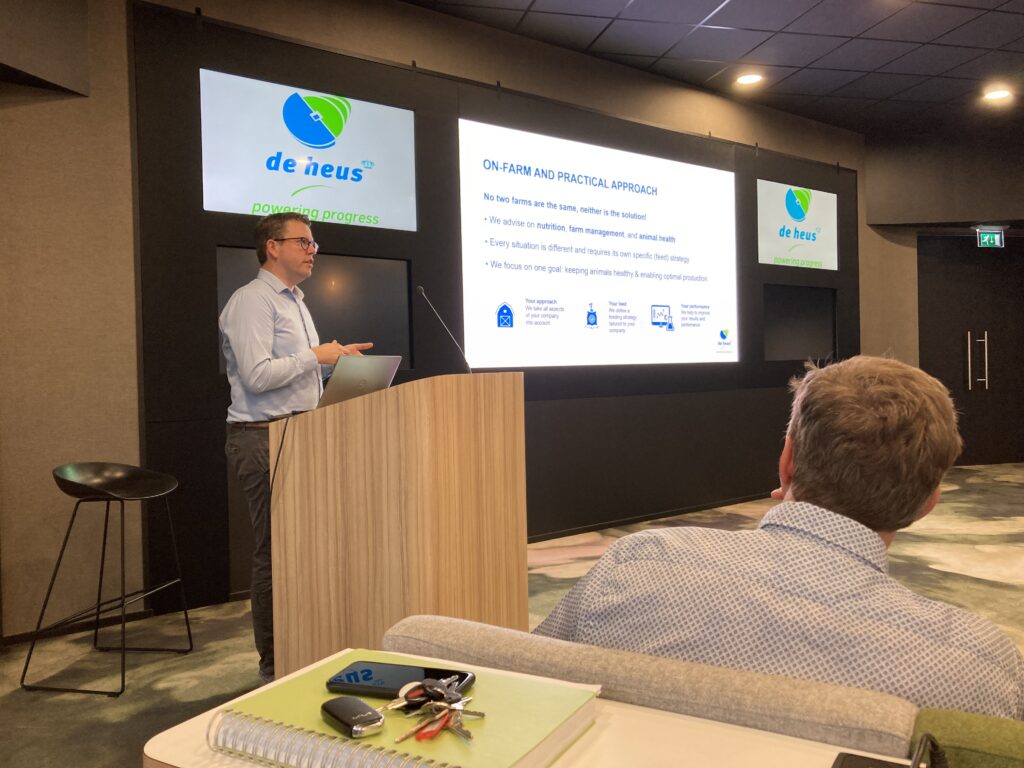
    Progress meeting at De Heus
    Progress meeting at De Heus
  • Odour Based Selective Recognition of Veterinary DiseasesNew Website

    Poultry is the largest source of animal protein for human consumption in the world and because of its relatively low production costs and carbon footprint, and absence of religious barriers, poultry production is essential to feed the growing world population (FAO, 2018). The Netherlands is an important export country for poultry eggs and meat with 32 million laying hens and 49 million broiler chickens on 1200 farms (CBS, 2020). In livestock farming, and especially in poultry, the large-scale operations and high production efficiency requirements make animals very vulnerable to infections. At the same time, societal demands are resulting in reduced use of antimicrobials in animal feed, more poultry with access to an outdoor range and changes to organic and more circular feed concepts. These developments substantially benefit, but paradoxically may also threaten the sustainability of poultry production. For example, increased contact with the outdoor world increases infection risks and novel feeding concepts may reduce intestinal health. This may have a negative impact on chicken health and welfare, production efficiency and ecological footprint and increases farmhouse emissions and risks for foodborne infections. Therefore, to make these transitions in livestock farming possible, we need to invest in novel methods to improve veterinary health.
    Currently, many infections are not discovered until after widescale spread within or between flocks, or after foodborne or other zoonotic infections affecting public health have already occurred. For example, intestinal colonisations with Campylobacter and Salmonella often remain undetected, and are therefore the most common causes of food poisoning of consumers of eggs or meat (Maran, 2020). Also, severe intestinal inflammation with Clostridium perfringens (also a zoonotic pathogen) often does not occur until widespread flock infection with Eimeria (a protozoal intestinal parasite) has occurred (Timbermont et al., 2011). And red blood mites between the feathers of chickens do not become visible until they are so numerous that they accumulate in the housing system (Flochlay et al., 2017). At a late stage of detection, when most damage already has been done, it is also too late for preventive interventions, which results in more rigorous treatments of entire flocks with antibiotics or chemicals. These treatments can induce antibiotic resistance and leave residues in poultry products and the environment.
    In this project, we aim at two highly prevalent and impactful cases:

    1. Intestinal diseases, especially in meat-producing (broiler) chickens, as these are highly prevalent, have a severe health and welfare impact, are associated with the use of antimicrobial drugs, risks for food-borne infections in humans, reduce the efficiency of feed digestion and increase the carbon footprint and emissions from poultry houses
    2. Red blood mite infestations, which is the most prevalent and damaging ectoparasite of laying hens worldwide, with substantial impacts on animal welfare and production efficiency of laying hens and are often treated with chemicals.

      Many success stories with electronic nose (e-nose) based systems as non-invasive early warning systems to detect human, animal and plant infections, infestations or spoilage of crops or meat have been reported. They allow for early interventions to prevent exacerbations of the problem and improve control and recovery (Wilson, 2018). However, for poultry and other livestock farming, where early detections and interventions can have such a great impact on the reduction of spread between animals and farms and development of (more severe) diseases or welfare problems, such systems are not yet available. Therefore, this project is submitted within the route “Measurement and Detection”, and specifically under the sub-theme “Bringing the lab to the situation”, i.e., develop technologies to measure at the location where the process takes place. One of the ways to create such an early warning system is based on the volatile organic compounds (VOCs) that are generated by ectoparasite infestations and infections or bacterial disbalances at gut level. In this project, we propose to pursue the possibilities to use these VOCs as biomarkers for early detection. To realize this, we will study the relation between the VOCs and diseases, and simultaneously develop a compact and economically viable electronic nose system which will be able to detect low concentrations of these VOCs.In view of the societal problem that is addressed, the goal of this project also perfectly matches the NWA route “Sustainable production of safe and healthy food”, because all the potential outcomes of early disease detection will contribute to a sustainable approach to farming (cluster question 15).It should be noted that the proposed electronic nose system (cluster question 121) also enables detection of VOCs and other gases in many other applications like food storage, criminal detection, predictive maintenance, environmental monitoring, employee safety etc.